Wonderful video, cracking tune, but I’ll never forgive Greg Johnson for cancelling his gig at the Penguin Club.
*shakes fist

Wonderful video, cracking tune, but I’ll never forgive Greg Johnson for cancelling his gig at the Penguin Club.
*shakes fist
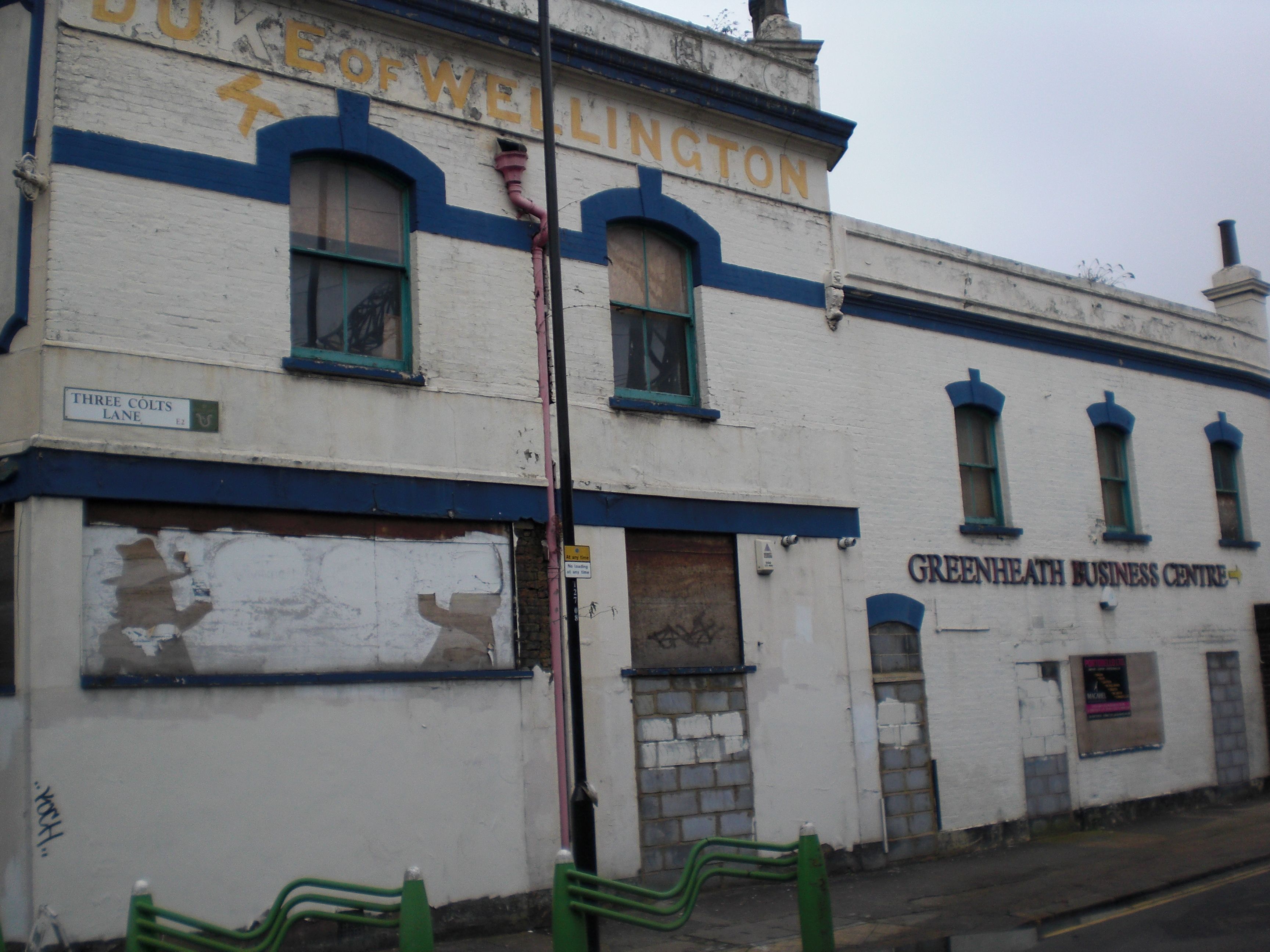
Three Colts Lane in Bethnal Green is not the most beautiful of streets in London. Dilapidated pubs like the Duke of Wellington above and grey victorian houses scatter one side of the street. The other side is a steam punk’s dream, though. One black cab repair shop next to the other (I counted eight) occupies the railway arches and there are literally hundreds of these steampunk vehicles scattered around.

picture courtesy of Taxi Nerd on Flickr
…and after you make it past the cabs, you can stroll through Weavers Field, a large open space in the middle of Bethnal Green. And in it’s middle, you can marvel at a statue that certainly must be the finest proponent of what I would call ‘Orwellian Art’:

They should call it 'Synergy: Exercise and CCTV'

I first stumbled over George Duke when I bought Back on the Block

Much more than mood music or ‘smooth jazz’, this is an outstanding composition that begs to be performed again.
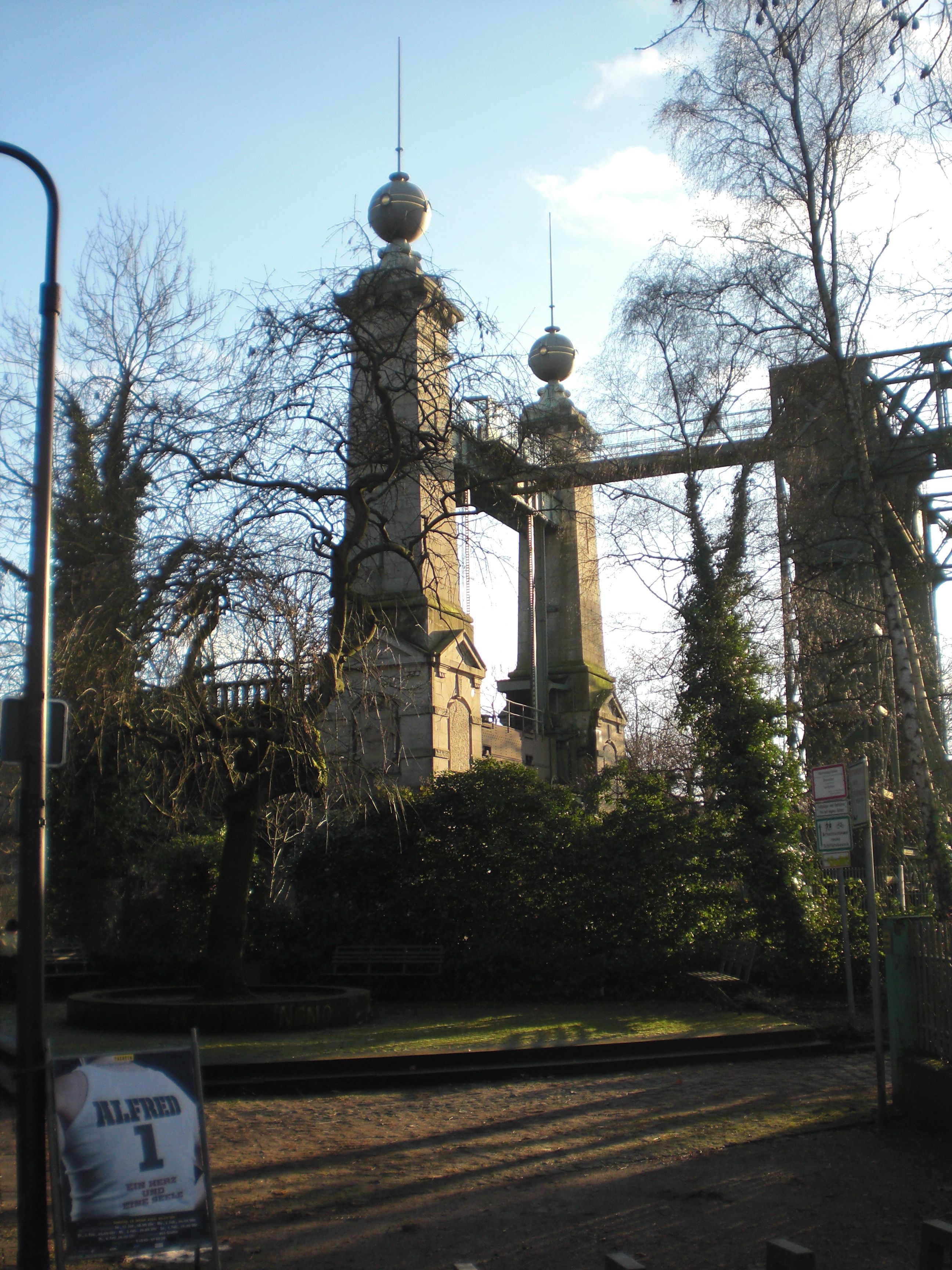
Boat Lift Henrichenburg
The best ever girlfriend and myself had some time during the primary gifting season to visit one of the most glorious industrial monuments in West Germany, the Boat Lift (Schiffshebewerk) in Waltrop. There are actually 2 of them, one next to each other. The glorious one on the picture was built in 1899 and opened officially by that old war horse Wihelm II.
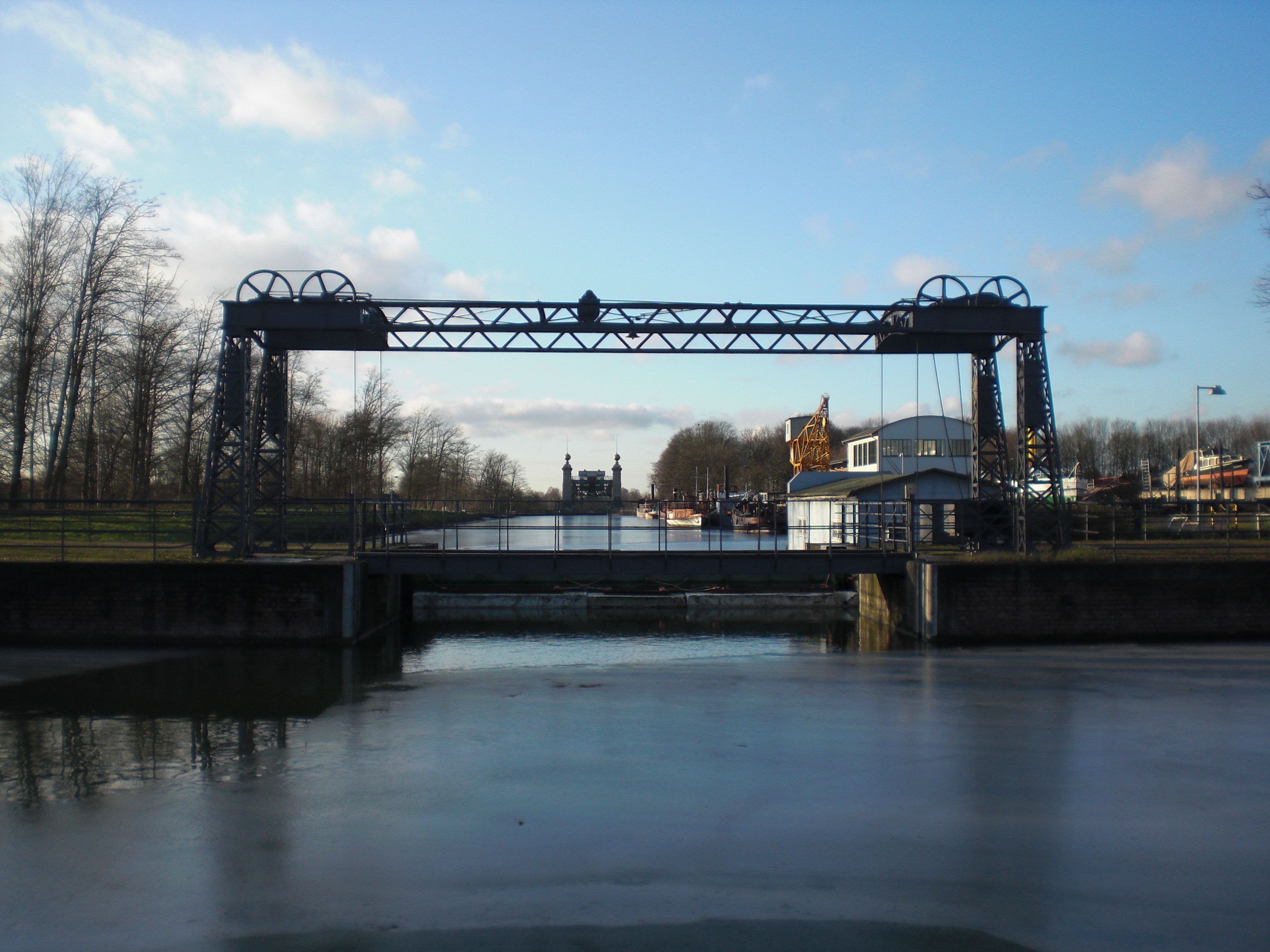
Beautiful, innit?
Yesterday G2 -The Guardian’s magazine – featured their ‘Icons of the decade’. It was a rather ecclectic (‘weird’ would probably be more accurate) mix: David Beckham, Osama bin Laden,The Obamas, Madeleine McCann, Carrie Bradshaw (the one with the long nose from ‘Sex and the City’ for my male readers), Google, Tony Blair, Jamie Oliver, Harry Potter and, er, Britney Spears. I think the Guardian and I differ on the the definition of an icon. G2 must have literally meant the optic aspect of the word. They obviously chose the most depicted people of the last ten years. Whether they have ‘iconic status’ is a different matter. For me an icon represents an ‘important and enduring symbol’. Whether most of G2’s choices fit into that category I have no idea. But hey, this is ‘citizen journalism’,
so let’s try that again:
A pretty mixed (and depressing) bunch, but then the noughties weren’t a particular ‘good news’ decade. It’s two decisive moments, 9/11 and Copenhagen, will be remembered as the moments when things started to go pear-shaped. It’s hard to be optimistic about the next ten years, but what’s left to do then hope for the better.
So, in the spirit of the season:
Merry bloody Christmas

 Messaged from the Outhouse